WattsWatt in One
Britain’s electricity comes from a changing mixture of energy sources.
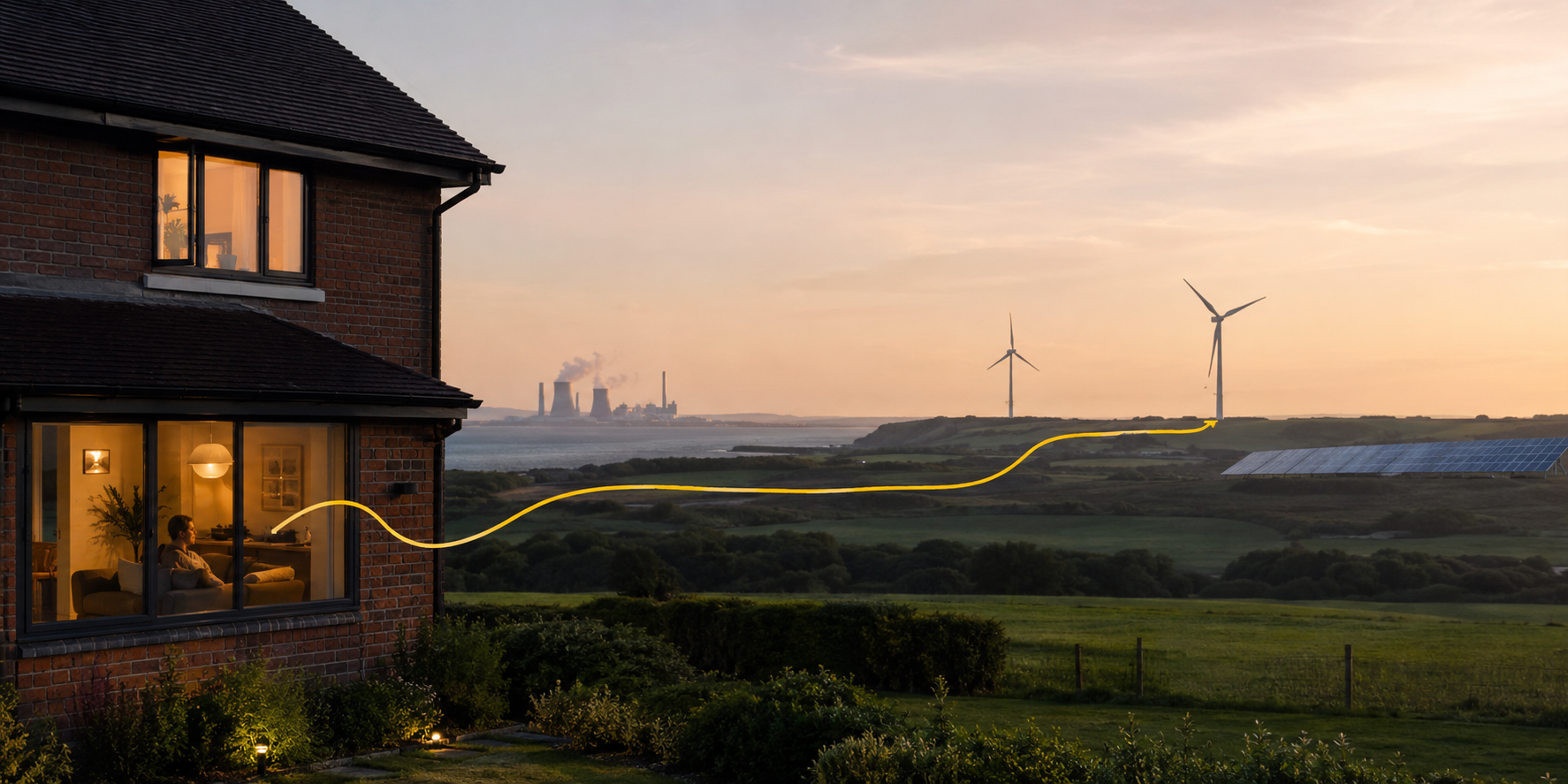
These include wind, solar, nuclear power, gas-fired power stations, hydroelectric power and bioenergy. Britain also imports and exports electricity through subsea cables connecting it to neighbouring countries.
The mixture changes throughout the day. On a windy or sunny day, more electricity may come from renewable sources. When renewable generation falls or demand rises, other sources may provide more.
The mixture changes throughout the day. On a windy or sunny day, more electricity may come from renewable sources. When renewable generation falls or demand rises, other sources may provide more.
All the electricity enters the same shared network. You cannot trace the electricity from your socket back to one particular wind turbine, solar farm or power station.
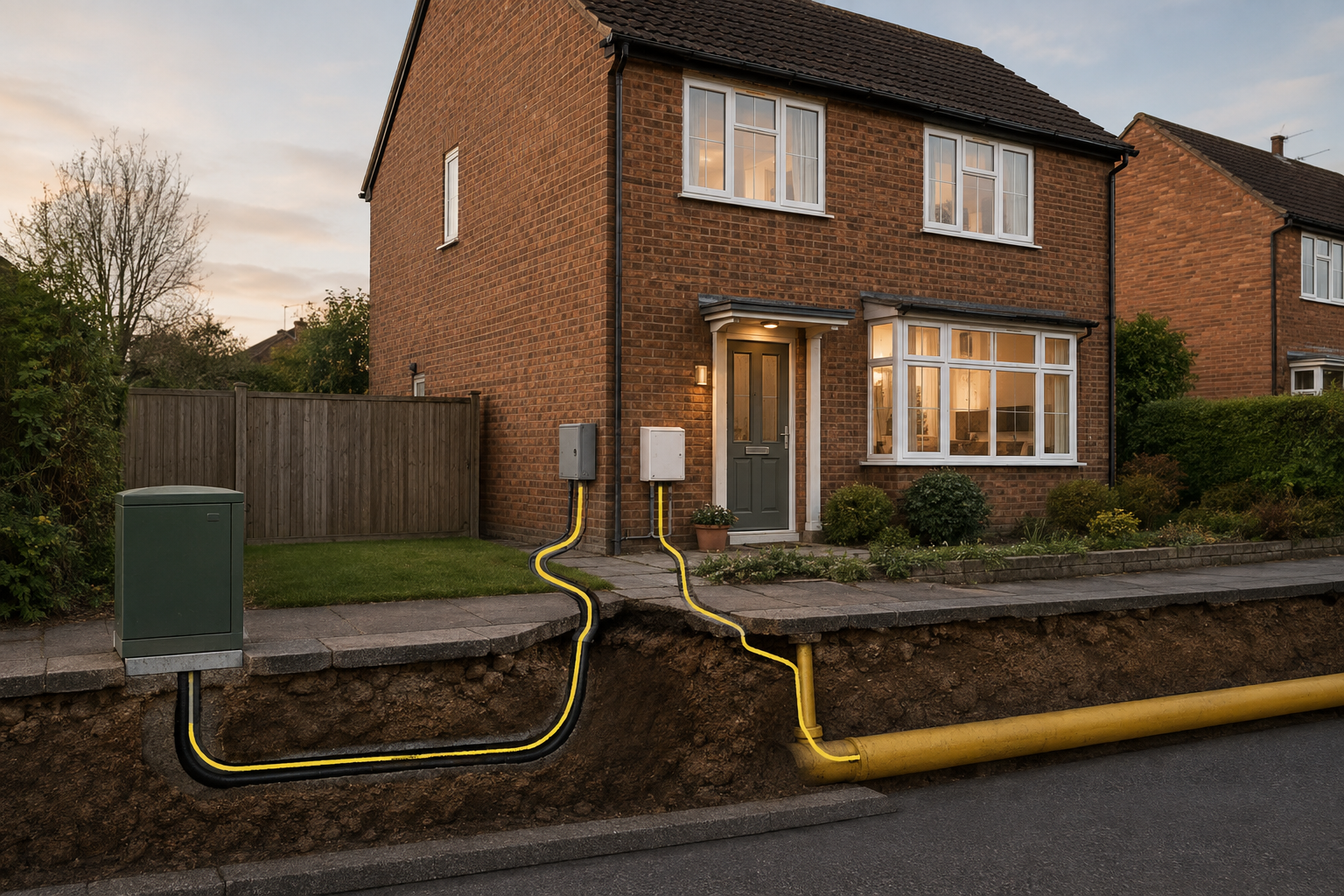
Your supplier sells you electricity, but the physical electricity reaching your home comes through the shared electricity network.
Grab a Cuppa: what powers Britain?
What are the main sources of electricity?
Britain uses several sources to keep electricity available when people need it.
Britain uses several sources to keep electricity available when people need it.
- onshore and offshore wind
- solar power
- nuclear power
- gas-fired power stations
- hydroelectric power
- bioenergy
- electricity imported through interconnectors
Coal was once central to Britain’s electricity supply. The UK’s final coal-fired power station closed in September 2024.
Is most of our electricity now renewable?
Renewable generation has grown significantly. In 2025, renewable sources produced more than half of the electricity generated in the UK. Wind provided the largest share of renewable generation, while solar generation also reached a record level.
Renewable generation has grown significantly. In 2025, renewable sources produced more than half of the electricity generated in the UK. Wind provided the largest share of renewable generation, while solar generation also reached a record level.
Renewable output changes with the weather. Wind turbines generate less when winds are low, while solar panels do not generate at night. The electricity system must constantly balance changing generation against changing demand.
Why do we still use gas?
Gas-fired power stations can generate electricity when additional power is needed, including when demand is high, renewable output is low or other power stations are unavailable.
Gas-fired power stations can generate electricity when additional power is needed, including when demand is high, renewable output is low or other power stations are unavailable.
What does nuclear power provide?
Nuclear power stations produce electricity without burning fossil fuels. They can generate large amounts for long periods, although output falls when stations close for refuelling, maintenance or repairs.
Nuclear power stations produce electricity without burning fossil fuels. They can generate large amounts for long periods, although output falls when stations close for refuelling, maintenance or repairs.
Does Britain import electricity?
Yes. Britain is connected to neighbouring electricity systems by high-voltage subsea cables called interconnectors. These allow electricity to move in both directions.
Yes. Britain is connected to neighbouring electricity systems by high-voltage subsea cables called interconnectors. These allow electricity to move in both directions.
Does choosing a renewable tariff change the electricity from my socket?
Your home remains connected to the same shared network. A renewable tariff does not create a separate green cable to your property. Your supplier must account for the electricity it sells according to the terms and evidence behind that tariff.
The WattsWatt bottom line
Britain does not rely on one source of electricity. The mixture changes every day, but electricity from every source enters the same shared network before reaching our homes.
What to read next
Know what you use. Know what you pay.
Whatever generates your electricity, the tariff you choose determines what you pay for each unit.
Whatever generates your electricity, the tariff you choose determines what you pay for each unit.