WattsWatt in One - a 1 minute read
Energy is what makes things happen. It provides the heat, light and movement we use every day.
For most households, energy reaches the home as electricity or mains gas.
Energy is what makes things happen. It provides the heat, light and movement we use every day.
For most households, energy reaches the home as electricity or mains gas.
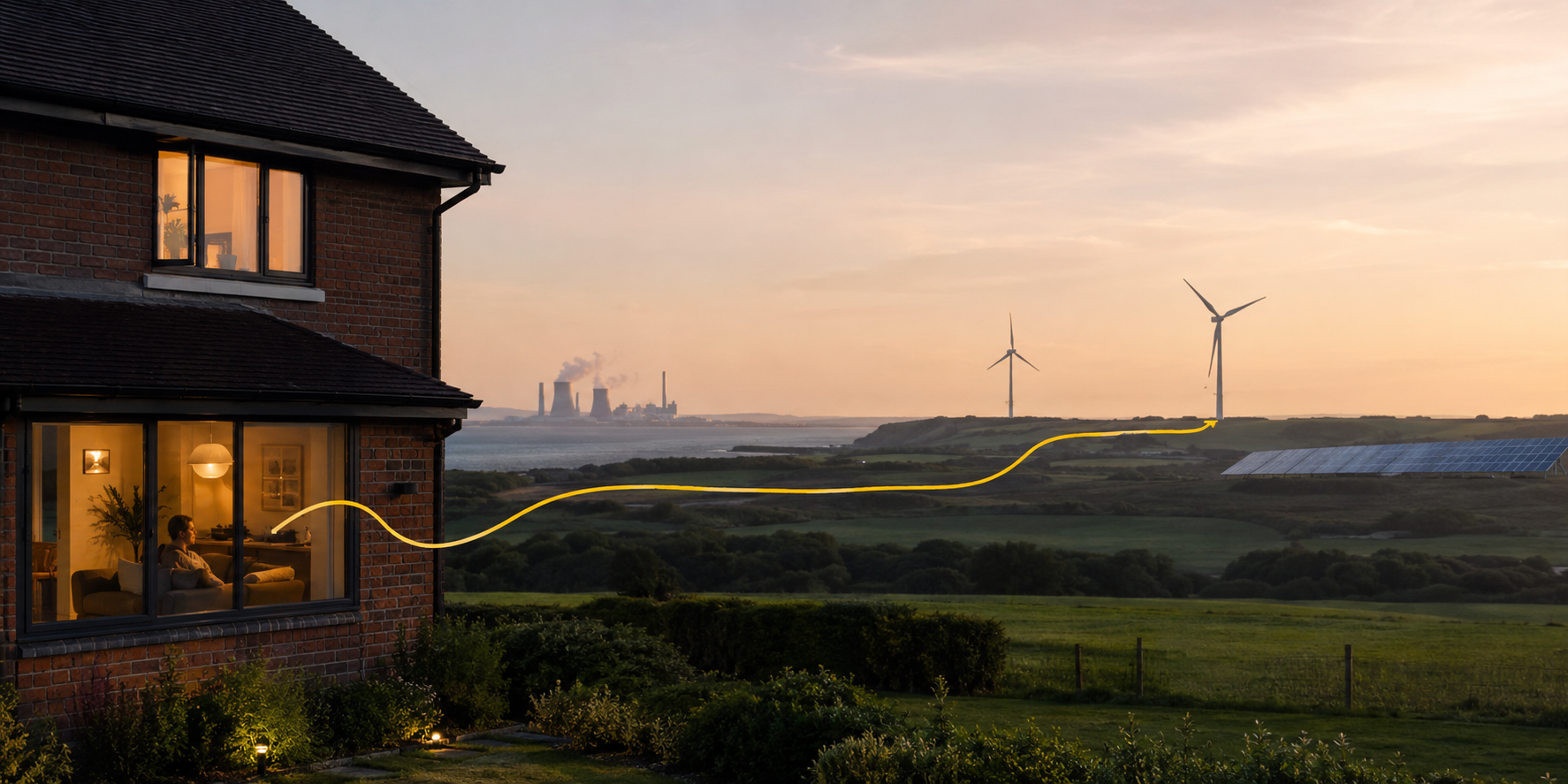
Electricity is generated using a changing mixture of sources, including wind, solar, nuclear power and gas. It travels through the electricity network before entering your home through your electricity meter.
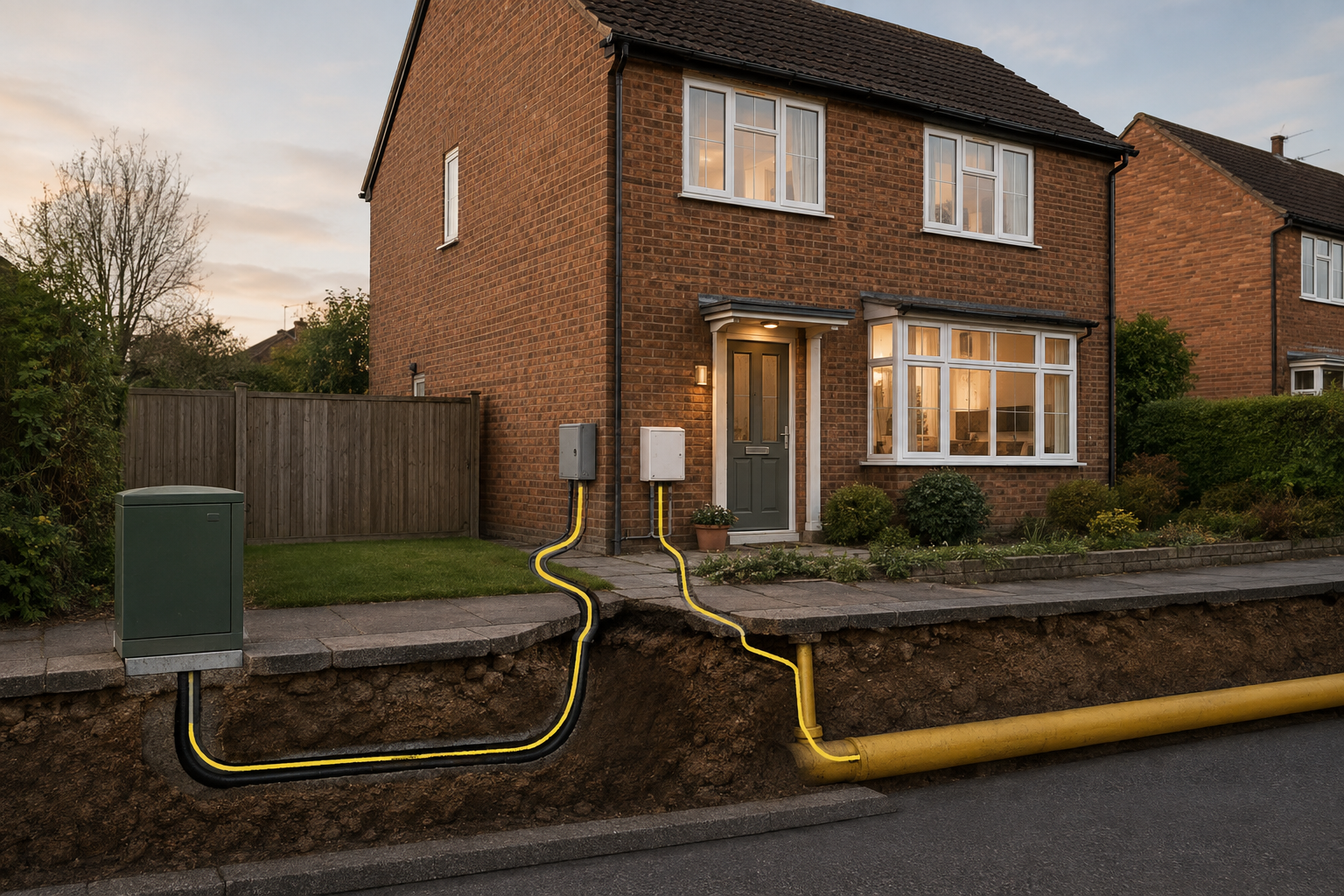
Gas comes from the North Sea or is imported from other countries. It travels through a network of high-pressure pipelines before its pressure is reduced and it enters your home through the gas meter.
Your meters record how much electricity and gas you use. Your energy supplier charges you for each unit, as well as a daily standing charge.
Grab a Cuppa: how energy reaches your home
Energy is all around us. Sunlight contains energy. Food gives our bodies energy. Petrol provides the energy needed to move a car.
What do we use energy for at home?
We use energy to:
- heat our rooms
- heat water
- cook food
- power appliances
- provide lighting
- charge phones and other devices
Where does our electricity come from?
Electricity has to be generated.
In Britain, it comes from a changing mixture of sources, including:
- wind
- solar
- nuclear power
- gas-fired power stations
- hydroelectric power
- electricity imported through subsea cables
Britain is connected to neighbouring electricity systems by cables called interconnectors. These allow electricity to be imported or exported according to supply, demand and prices.
Electricity from all these sources enters the same shared network. The electricity reaching your home is not sent directly from one particular wind turbine, solar farm or power station.
How does electricity reach our homes?
Electricity is first carried across the country at very high voltages through the transmission network.
Substations gradually reduce the voltage so electricity can travel through regional and local distribution networks.
Electricity enters your property through your electricity meter. It then passes through the consumer unit, sometimes called the fuse box, before being distributed around your home through its wiring.
Where does our gas come from?
Some of the UK’s gas comes from the UK Continental Shelf in the North Sea.
The UK also imports gas through pipelines from other countries and by ship as liquefied natural gas, commonly called LNG.
How does gas reach our homes?
Gas travels across the country through the national gas transmission network at high pressure.
Its pressure is reduced as it moves into regional and local networks.
If your home is connected to mains gas, it enters through the gas meter. It can then be used by appliances such as your boiler, hob or gas fire.
What are we actually paying for?
Electricity is measured in kilowatt-hours, written as kWh.
Your gas meter measures the amount of gas passing into your home. Your bill converts this measurement into kWh so that both fuels can be charged using units of energy.
Your energy bill normally includes:
- a unit rate for every kWh you use
- a daily standing charge for each fuel
- VAT
The more energy your home needs, and the higher your tariff rates, the more you pay.
The WattsWatt bottom line
Electricity and gas travel through different national networks before entering your home through separate meters.
Your home determines how much energy you need. Your tariff determines how much you pay for it.
Know what you use. Know what you pay.
Check your electricity and gas unit rates, standing charges and tariff at:
SOURCES
National Energy System Operator:
www.neso.energy
www.neso.energy
Department for Energy Security and Net Zero:
www.gov.uk/government/organisations/department-for-energy-security-and-net-zero
www.gov.uk/government/organisations/department-for-energy-security-and-net-zero
National Gas:
www.nationalgas.com
www.nationalgas.com
Ofgem:
www.ofgem.gov.uk
www.ofgem.gov.uk