Heat pump awareness campaign · April 2025
Don't lose the heat
you've already paid for
Wet or damaged pipe insulation can cost heat pump households around £43 a year, often without any obvious signs. Check yours in five minutes and get a free expert review.
Check your external pipework
Go outside and look at the pipes running from your heat pump. Tick each item you can confirm.
Insulation is continuous with no gaps, splits or missing sections
Even a short gap causes disproportionate heat loss at lower flow temperatures
Outer surface is dry and firm with no soft, spongy or damp patches
Wet insulation conducts heat away rather than retaining it (this is the most common issue)
No visible cracking, crumbling or UV degradation on the surface
Many foam types degrade in sunlight within 2–3 years if left unprotected
Joints, bends and T-junctions are all covered, not just straight pipe runs
Elbows and connections are often skipped during installation and are a major source of loss
Insulation is adequately thick, not a thin wrap that compresses flat when squeezed
TICA guidance specifies minimum thickness by pipe diameter ; compressed insulation performs like no insulation
Where pipework enters the wall, insulation runs flush with no bare pipe visible at the penetration
A short exposed section at the wall entry point can account for a significant proportion of total losses
0 of 6 checked
Send photos for a free expert review
Our qualified experts will review your pipework photos and email you clear, jargon-free feedback within 3 working days.
The "Sponge" Effect
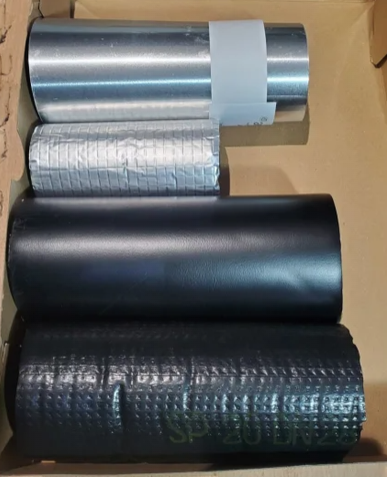
Wet insulation is often worse than no insulation at all. These demonstrations show how standard foam can become saturated, turning a protective layer into a source of energy waste.
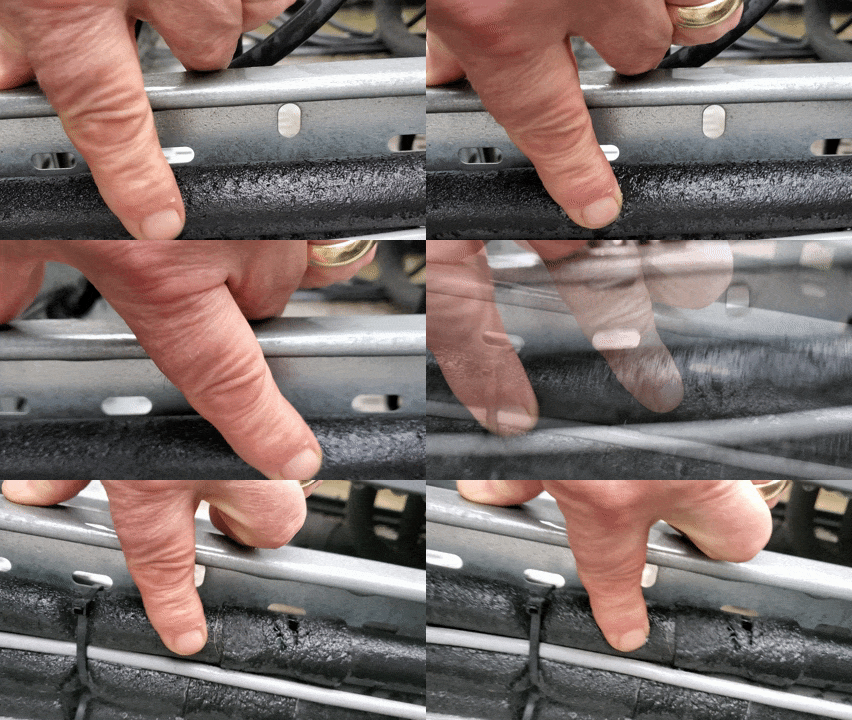
Standard foam insulation can act like a sponge, holding onto moisture for years.
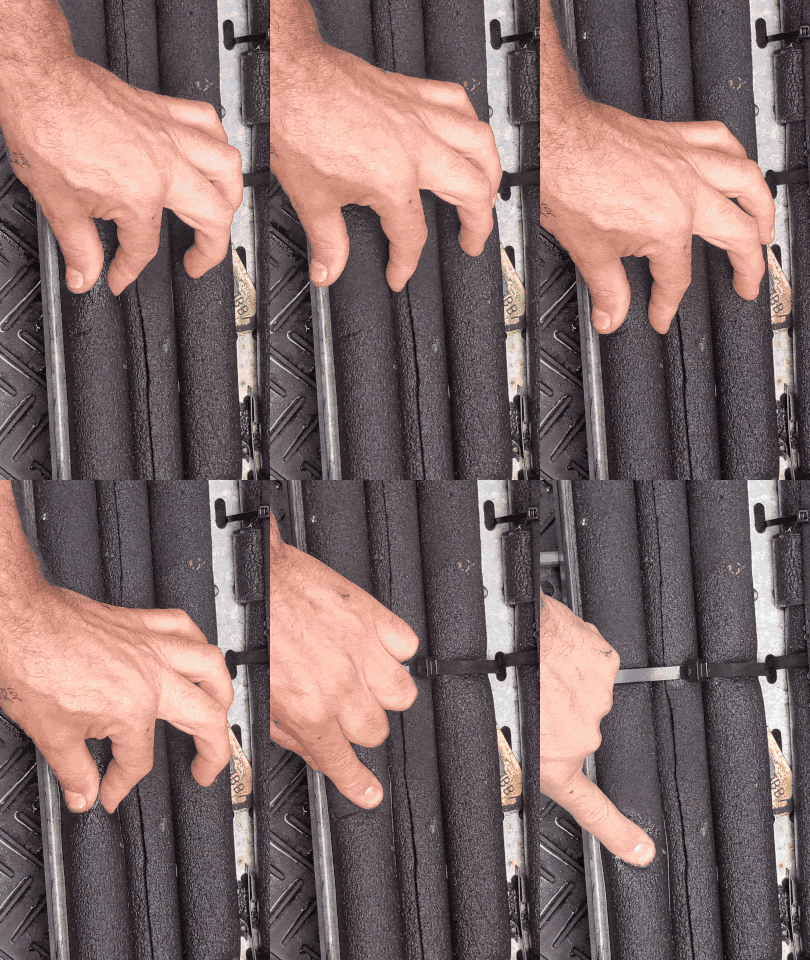
Saturated insulation loses 13 times more energy than dry insulation.
"It is clear that the biggest issue is saturated insulation, as it loses 13 times more energy than insulated pipes and it would be better to have NO INSULATION. Poor installation, design and maintenance can reduce refrigeration efficiency by 50%."
Why does this matter?
Heat pumps run at lower flow temperatures than traditional boilers, which makes them more sensitive to distribution losses before heat reaches the room. Where pipework insulation has degraded, or was never installed correctly, systems must work harder to maintain comfort.
This is not a heat pump technology problem. It is an installation and maintenance issue that can be fixed.
Expert analysis consistently shows that heat pumps are highly efficient systems, but only when the heat they generate actually reaches the space it is intended to heat. Avoidable losses through poorly insulated pipework are a simple issue with a real impact on running costs and comfort.
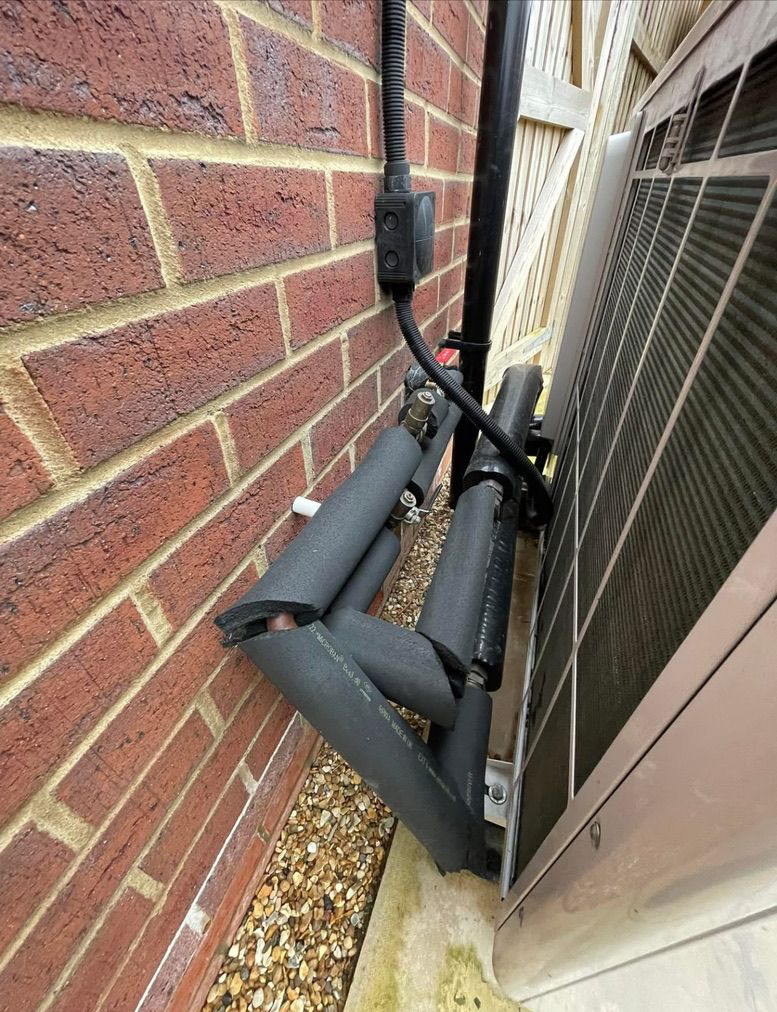
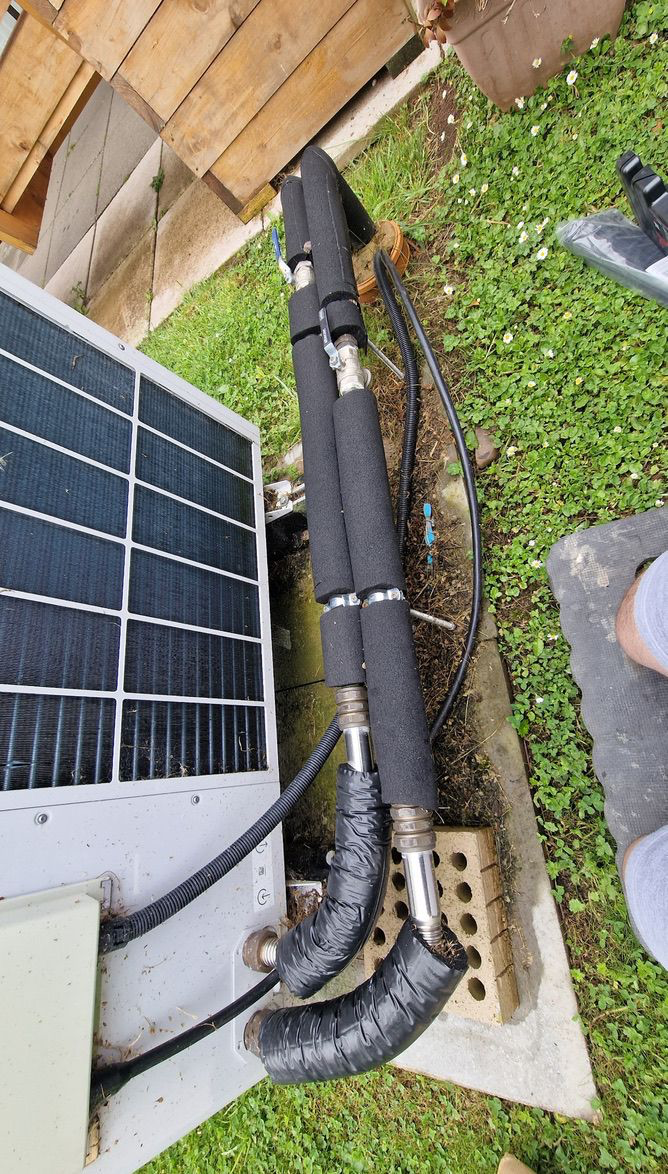
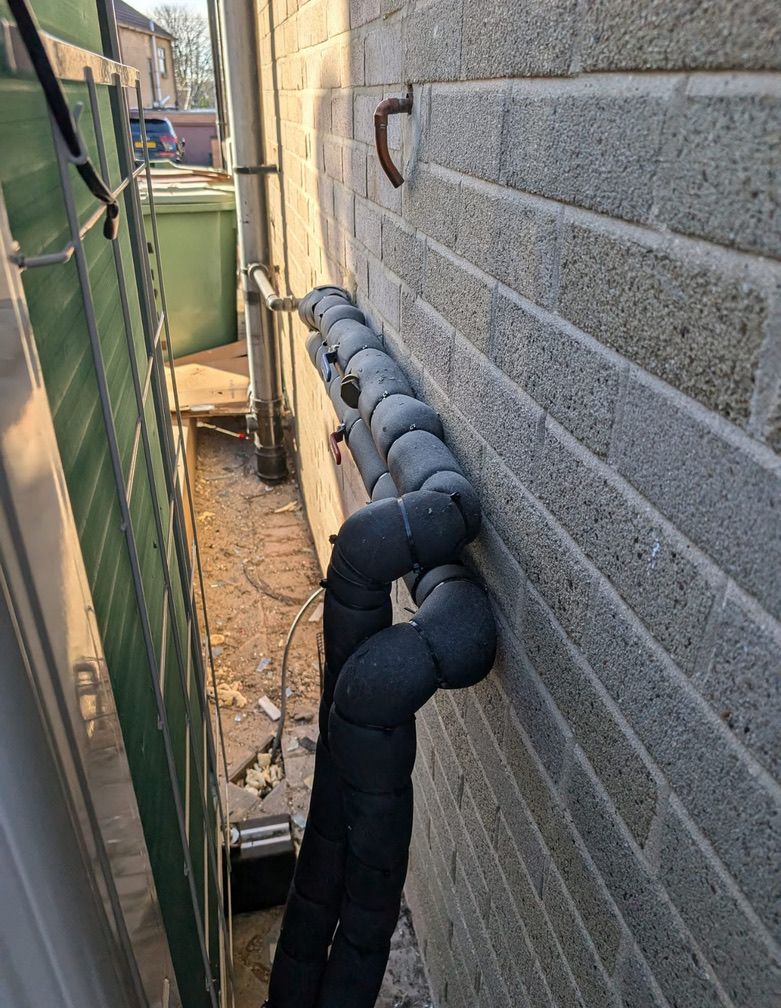
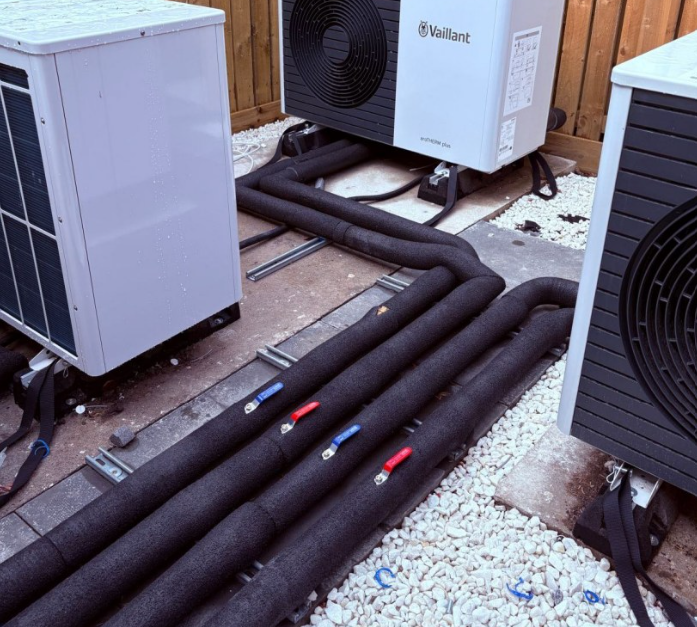
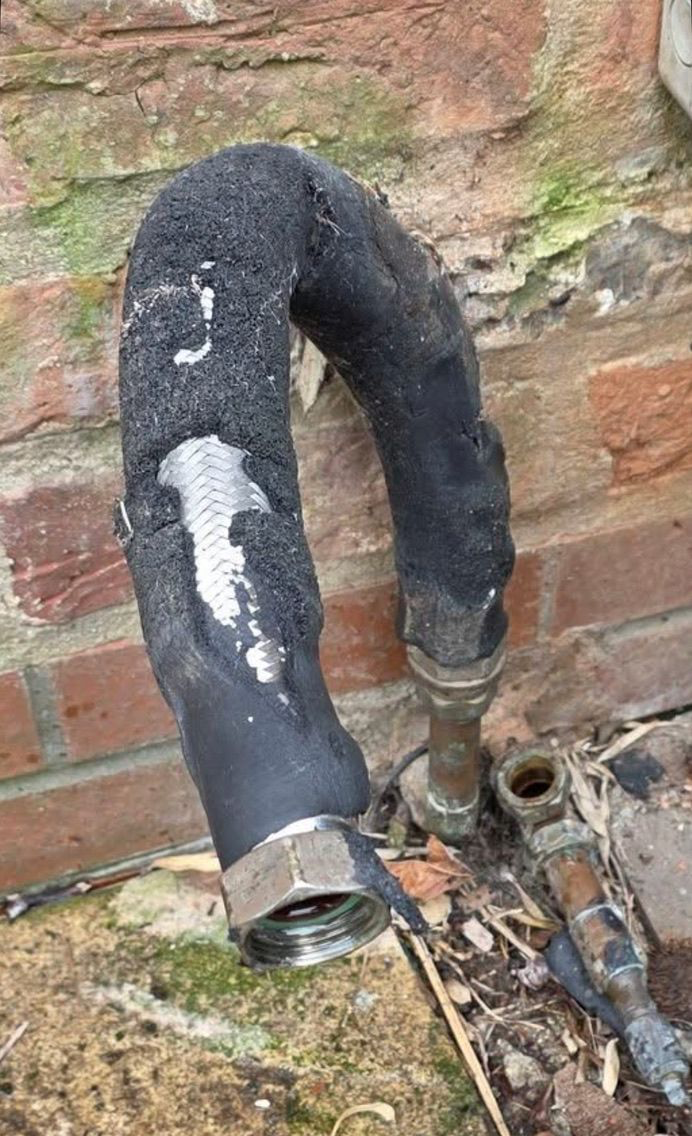
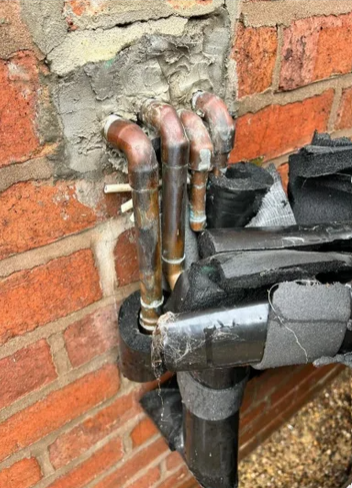
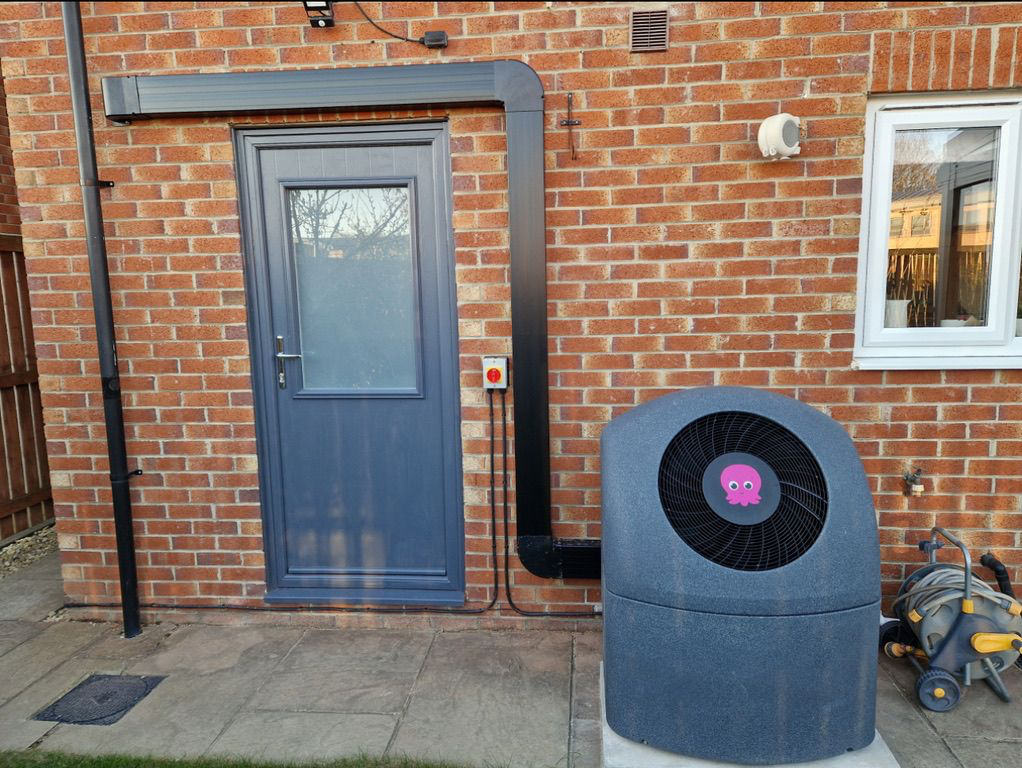
Gaps and joins in the insulation allow heat to escape directly into the air.
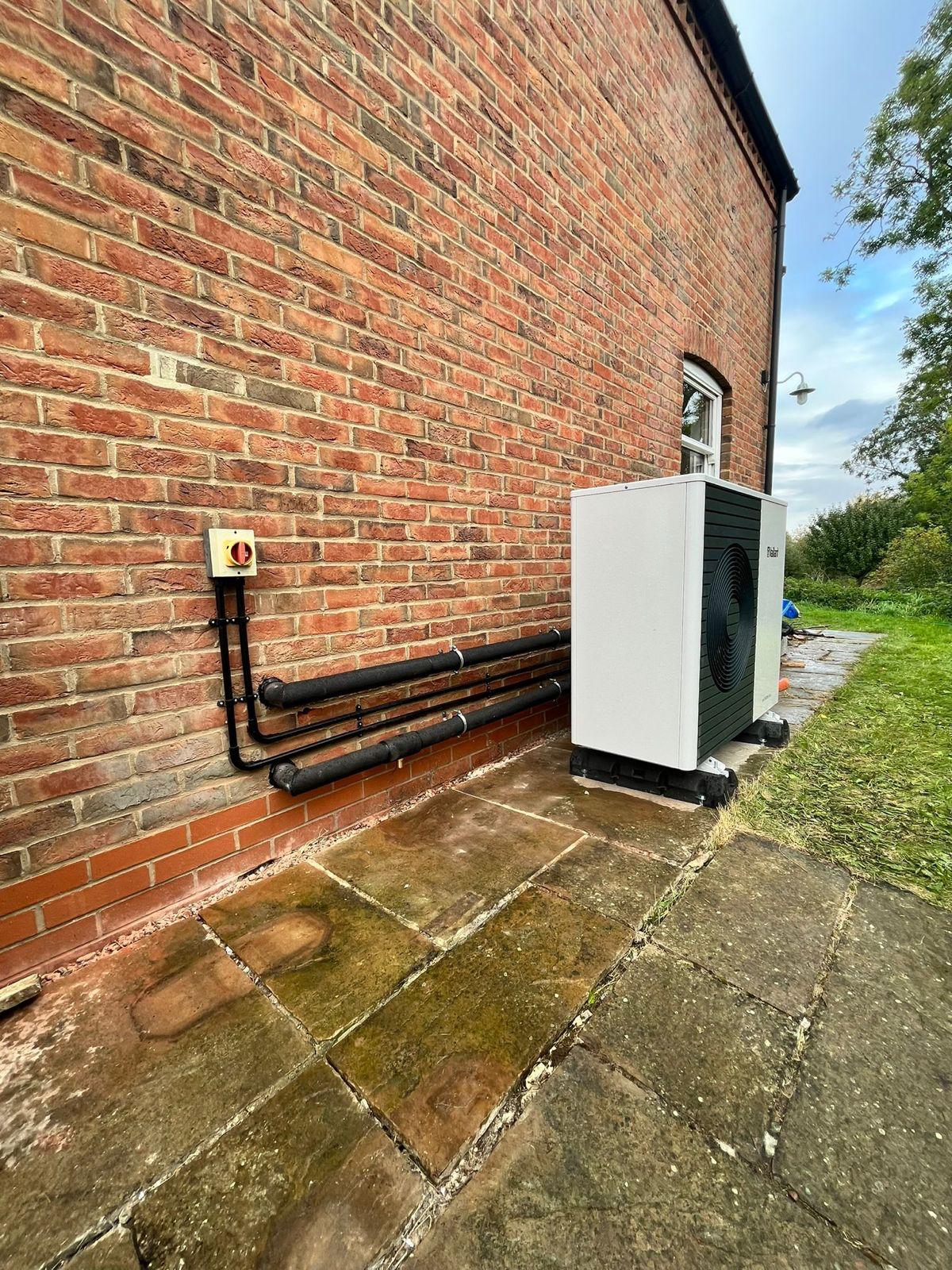
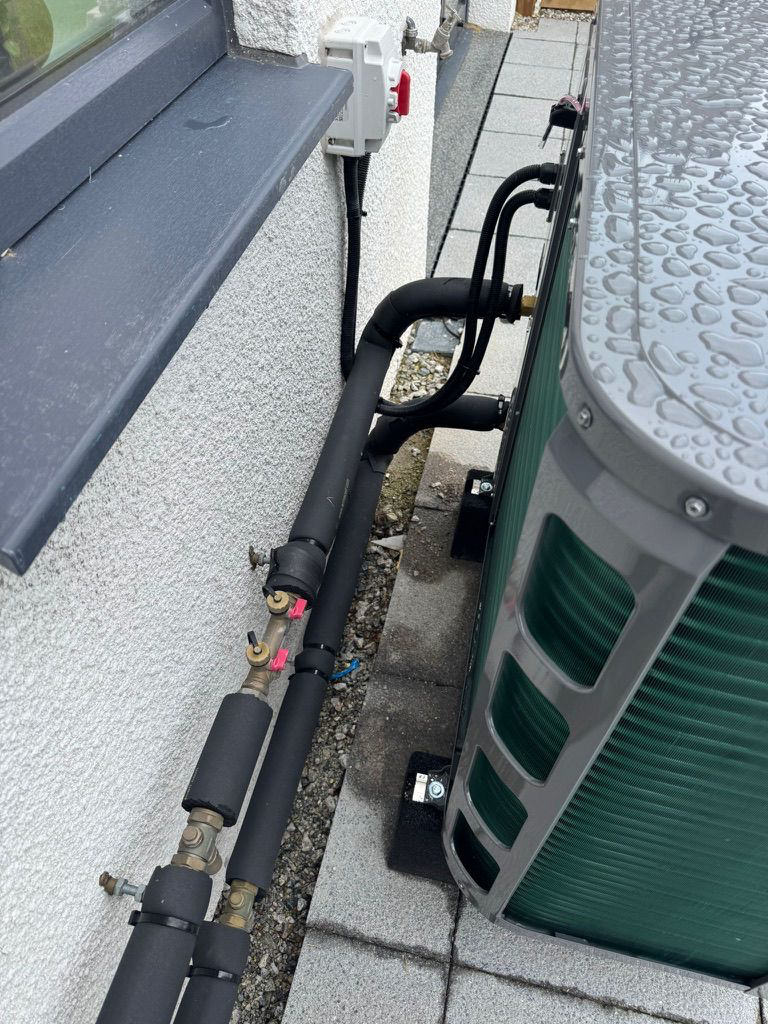
Continuous, dry insulation with no gaps or damage. Heat stays in the pipes where it belongs.
Estimated annual impact of a 5% pipework heat loss, by COP
| COP | Extra electricity (kWh/yr) | Extra cost (£/yr) | Extra emissions (kgCO₂e/yr) |
|---|---|---|---|
| 2.5 | 208 | £51 | 37 |
| 3.0 | 173 | £43 | 31 |
| 4.0 | 130 | £32 | 23 |
Based on current Ofgem benchmark consumption and price-cap figures, and the UK government electricity conversion factor.
Want a specific calculation for your home?
Use our Pipe Heat Loss Calculator to see exactly how much your exposed pipes are costing you.
Try the calculator →